How Credit Score Works in USA (Beginner Friendly Guide)

6 Min Read
Understanding the US credit score system for beginners

What Is a Credit Score?

A credit score is a three-digit number that represents how trustworthy you are as a borrower. In the United States, lenders use this score to decide:

  • Whether to approve your loan or credit card

  • How much interest rate to charge you

  • How much credit limit to offer

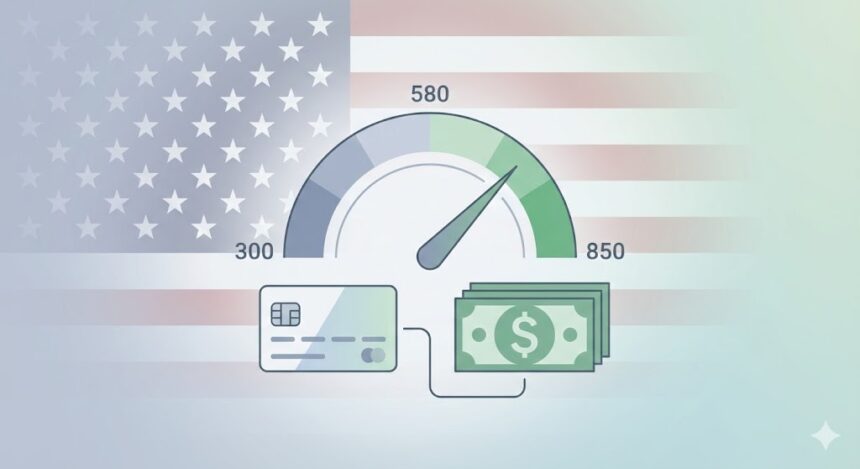
The most commonly used range is 300 to 850. Higher scores mean lower risk for lenders.

Who Creates Credit Scores in the USA?

Credit scores are calculated by scoring models using information from credit bureaus.

Major Credit Bureaus

  • Experian

  • Equifax

  • TransUnion

These bureaus collect your credit history and generate credit reports.

  • FICO Score (used by most banks and lenders)

  • VantageScore (used by many free credit apps)

Although numbers may differ slightly, both models follow similar rules.

https://www.cnbc.com/select/guide/credit-scores-for-beginners/

Credit Score Ranges Explained

Credit ScoreMeaning
300–579Poor
580–669Fair
670–739Good
740–799Very Good
800–850Excellent

For beginners, reaching 670+ is a strong milestone.

How Credit Score Is Calculated (Simple Breakdown)

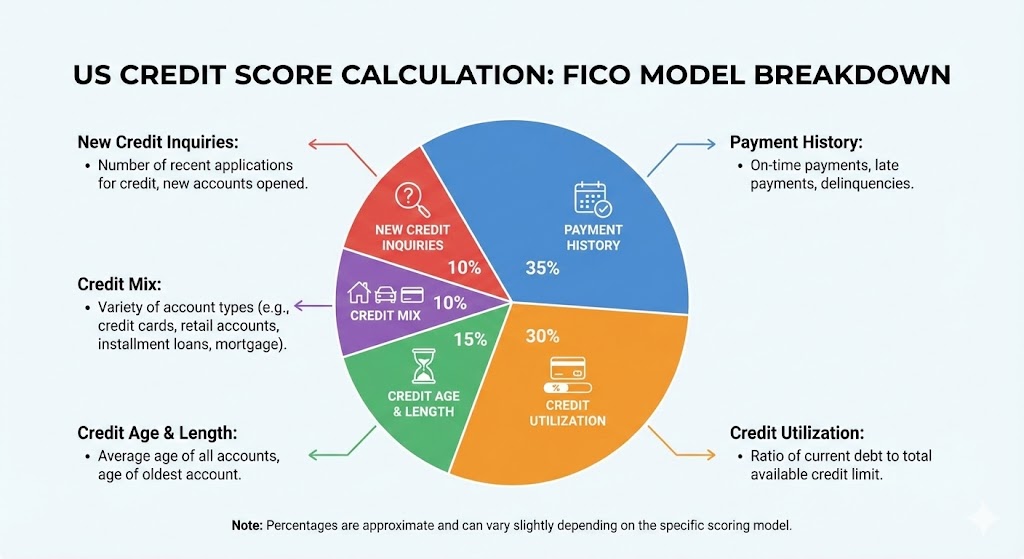
Your credit score is based on five main factors. Understanding these helps you improve it faster.

1. Payment History (35%)

  • Did you pay your bills on time?

  • Late payments, defaults, or collections hurt badly.

Rule: Even one late payment can drop your score.

Main factors that affect credit scores in the United States

2. Credit Utilization (30%)

  • How much credit you are using compared to your limit

Example: If your credit limit is $1,000 and you use $300, your utilization is 30%.

Best practice: Keep utilization below 30% (below 10% is ideal).

3. Length of Credit History (15%)

  • How long you have been using credit

Older accounts help your score, which is why beginners start lower.

4. Credit Mix (10%)

  • Types of credit you use

Examples:

  • Credit cards (revolving credit)

  • Auto loans

  • Student loans

A healthy mix improves your score slightly.

5. New Credit Inquiries (10%)

  • Each time you apply for credit, a hard inquiry is made.

  • Too many inquiries in a short time can reduce your score.

Why Credit Score Is Important in the USA

Your credit score affects many parts of daily life:

  • Renting a home: Landlords check your score

  • Car loans: Lower score = higher interest

  • Credit cards: Better score = better rewards

  • Utilities: Some companies require deposits

  • Jobs: Certain employers review credit reports

In the USA, credit equals trust.

How to Build Credit Score From Zero (Beginners)

If you have no credit history, follow these steps:

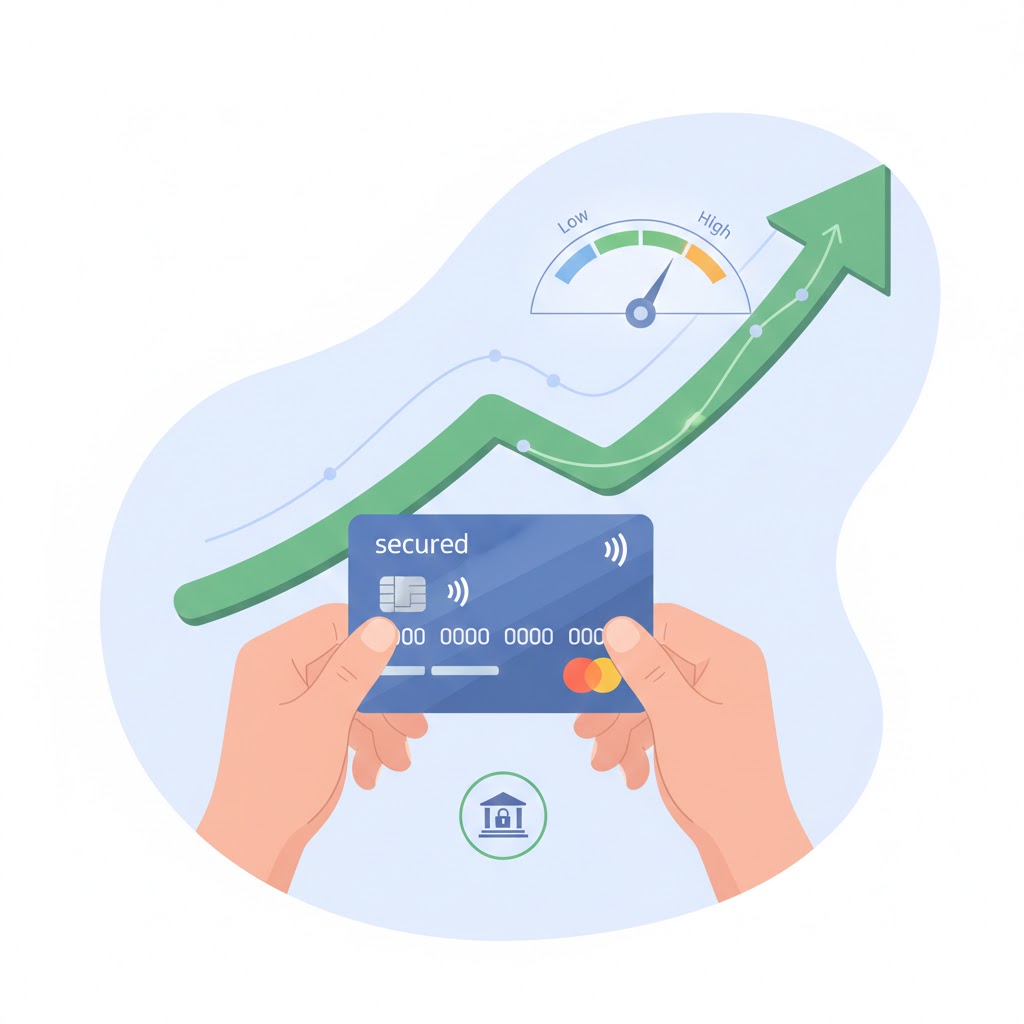
1. Get a Secured Credit Card

  • Requires a refundable deposit

  • Works like a normal credit card

  • Best starting option

Simple ways beginners can start building credit in the USA

2. Become an Authorized User

  • Ask a trusted person to add you to their credit card

  • Their good history can help your score

3. Pay Bills On Time—Every Time

  • Set auto-pay for minimum balance

4. Keep Credit Usage Low

  • Never max out your card

How Long Does It Take to Build Credit?

  • First score appears: 3–6 months

  • Good score (670+): 6–12 months with discipline

  • Very good score (740+): 12–24 months

Credit building is slow but reliable.

Common Credit Score Mistakes Beginners Make

  • Missing due dates

  • Closing old accounts early

  • Applying for many cards at once

  • Using full credit limit

  • Ignoring credit reports

Avoiding these mistakes saves years of effort.

How to Check Your Credit Score for Free

You can check your credit score without hurting it using:

  • Bank mobile apps

  • Free credit monitoring services

  • Annual credit report services

Checking your own score does not reduce it.

FAQs: Credit Score in the USA

Yes. A score of 700 is considered good and qualifies for most loans.

Yes. With an SSN or ITIN, immigrants can build credit legally.

No. Only credit-based products affect credit scores.

Usually every 30 days, depending on lender reporting.

Yes, if rent reporting services are used.

Share This Article
Follow:
Jacob Charles is a dedicated Senior Reporter at USAHarmony, where he has been making significant contributions for the past year. With a keen focus on the insurance industry, Jacob covers a range of topics that delve into the complexities and nuances of insurance-related issues. His reporting not only informs consumers but also sheds light on corporate practices and regulatory changes that impact individuals and businesses alike. In his role, Jacob investigates and writes about various facets of the insurance world, including health insurance, auto insurance, property insurance, and emerging trends like insurtech innovations. He seeks to illuminate how these topics affect everyday lives, from the intricacies of policy selection to the implications of recent legislation. Jacob’s ability to translate complex insurance jargon into accessible language makes his work valuable to both industry professionals and general readers. His commitment to holding powerful corporations accountable drives his investigative approach. Jacob often highlights stories of consumers facing challenges within the insurance system, bringing attention to issues such as claim denials, fraud, and the importance of consumer rights. His work aims to empower readers with knowledge, helping them navigate the often-complicated world of insurance. Jacob’s background in journalism, coupled with his passion for storytelling, positions him as a knowledgeable and trusted voice in the industry. He leverages data, interviews, and expert opinions to produce comprehensive articles that not only inform but also engage his audience. His contributions to USAHarmony reflect a commitment to quality journalism and a desire to serve the public interest. As part of his responsibilities, Jacob also collaborates with colleagues to ensure that USAHarmony maintains a robust online presence, driving discussions around important insurance topics on social media and other platforms. His dedication to ethical reporting is evident in his commitment to fact-checking and presenting balanced perspectives in his stories. In addition to his reporting duties, Jacob is continuously looking for ways to expand his knowledge of the insurance industry, attending industry conferences and engaging with professionals to stay informed about the latest developments and trends. His proactive approach and passion for the field make him an asset to USAHarmony and a respected figure in insurance journalism.Jacob Charles is a dedicated Senior Reporter at USAHarmony, where he has been making significant contributions for the past year. With a keen focus on the insurance industry, Jacob covers a range of topics that delve into the complexities and nuances of insurance-related issues. His reporting not only informs consumers but also sheds light on corporate practices and regulatory changes that impact individuals and businesses alike. In his role, Jacob investigates and writes about various facets of the insurance world, including health insurance, auto insurance, property insurance, and emerging trends like insurtech innovations. He seeks to illuminate how these topics affect everyday lives, from the intricacies of policy selection to the implications of recent legislation. Jacob’s ability to translate complex insurance jargon into accessible language makes his work valuable to both industry professionals and general readers. His commitment to holding powerful corporations accountable drives his investigative approach. Jacob often highlights stories of consumers facing challenges within the insurance system, bringing attention to issues such as claim denials, fraud, and the importance of consumer rights. His work aims to empower readers with knowledge, helping them navigate the often-complicated world of insurance. Jacob’s background in journalism, coupled with his passion for storytelling, positions him as a knowledgeable and trusted voice in the industry. He leverages data, interviews, and expert opinions to produce comprehensive articles that not only inform but also engage his audience. His contributions to USAHarmony reflect a commitment to quality journalism and a desire to serve the public interest. As part of his responsibilities, Jacob also collaborates with colleagues to ensure that USAHarmony maintains a robust online presence, driving discussions around important insurance topics on social media and other platforms. His dedication to ethical reporting is evident in his commitment to fact-checking and presenting balanced perspectives in his stories. In addition to his reporting duties, Jacob is continuously looking for ways to expand his knowledge of the insurance industry, attending industry conferences and engaging with professionals to stay informed about the latest developments and trends. His proactive approach and passion for the field make him an asset to USAHarmony and a respected figure in insurance journalism.
Leave a comment

Leave a Reply

Your email address will not be published. Required fields are marked *

Exit mobile version