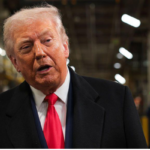


Iran and the United States are standing at a critical crossroads as Tehran says it is keeping communication channels open with Washington, even while U.S. President Donald Trump weighs strong action over Iran’s violent crackdown on nationwide protests.
The situation has intensified after President Trump announced a sweeping 25% tariff on any country that continues doing business with Iran, one of the world’s major oil-producing nations. In a social media message, Trump described the decision as final, signalling a tougher economic approach aimed at isolating Tehran globally.
The tariff warning adds to fears of military action, although the White House has made it clear that diplomacy remains Trump’s first choice. U.S. officials say private messages coming from Iran differ sharply from the country’s aggressive public statements, and Washington wants to explore these backchannel talks.
Iran, however, is facing one of the most serious internal challenges since the 1979 Islamic Revolution. Nationwide protests, triggered by rising prices and economic hardship, have grown into open calls for the removal of the clerical leadership. Streets across major cities have seen large demonstrations despite heavy security deployment.

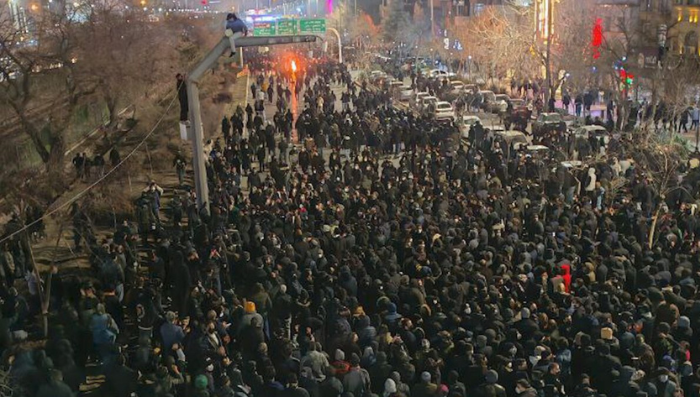
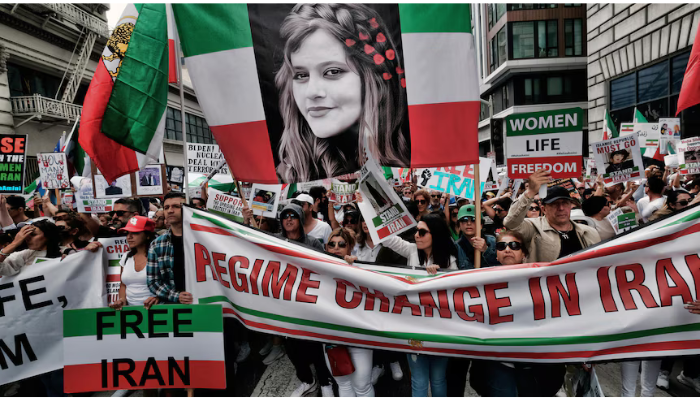
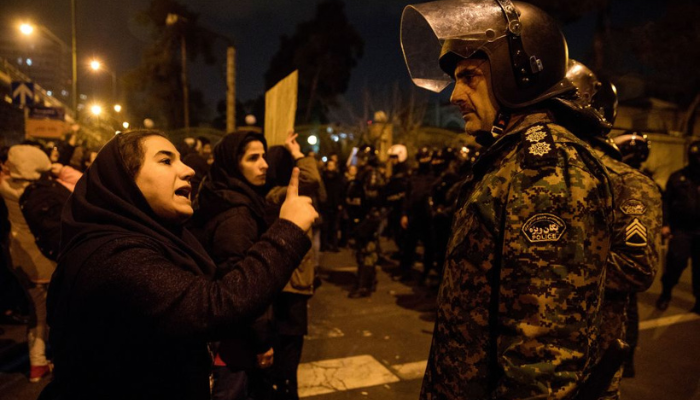
According to independent human rights monitors based outside Iran, more than 640 people have been killed since the protests began in late December, including protesters, security personnel, and civilians. Over 10,700 people have reportedly been arrested, though Iran has not released official figures. Families of victims have gathered at cemeteries, chanting slogans against the government, even as internet access remains heavily restricted.
Iranian leaders blame the unrest on foreign interference, accusing the U.S. and Israel of supporting what they describe as “terrorist groups.” State authorities claim dozens of mosques and ambulances have been burned and say security forces have detained armed cells allegedly involved in violence.
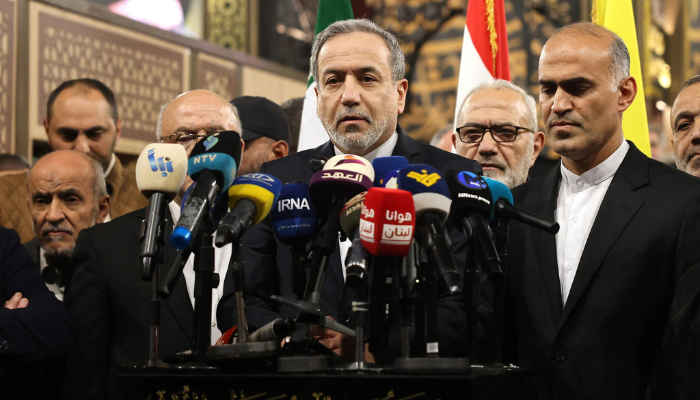
Despite the unrest, Iran’s leadership insists the situation is under control and warns that any external attack would be met with a strong response. Senior officials have stated that U.S. military bases and Israeli targets would be considered legitimate if Iran is attacked.
Meanwhile, the U.S. government has warned its citizens to leave Iran due to the rising risk of arrest and detention. Washington is also reviewing a wide range of options, including tighter sanctions, cyber measures, and possible military strikes, though officials acknowledge that any military action could be highly risky.
The crisis has already had global consequences. World oil prices have climbed to multi-week highs, driven by fears that Iran’s oil exports could be disrupted by political instability or new U.S. action. Iran currently sells much of its oil to Asian and regional partners, making Trump’s tariff threat a potential shock to global trade.
Political analysts note that Iran’s regional influence has weakened after recent conflicts, and public anger toward powerful institutions like the Revolutionary Guards has grown due to their deep involvement in business and the economy.
As protests continue, diplomacy struggles, and economic pressure mounts, the standoff between Iran and the U.S. is entering a dangerous phase. Whether dialogue can prevent further escalation remains uncertain, but the outcome will have far-reaching effects on the Middle East, global markets, and international security.
Published by usaharmony.com