

usaharmony.comusaharmony.comusaharmony.com
  • Us Today
  • Finance
    • Banking in USA
    • Budgeting & Saving
    • Credit Score USA
    • Loans & EMIs
Reading: How to Pay Off Credit Card Debt with Low Income: A Practical Guide for U.S. Residents
Share
Sign In
Notification Show More
Font ResizerAa
usaharmony.comusaharmony.com
Font ResizerAa
  • Us Today
  • Finance
Search
  • Us Today
  • Finance
    • Banking in USA
    • Budgeting & Saving
    • Credit Score USA
    • Loans & EMIs
Have an existing account? Sign In
Follow US
Copyright © 2026 USAHARMONY

Home » Credit Score USA

Credit Score USA

How to Pay Off Credit Card Debt with Low Income: A Practical Guide for U.S. Residents

Jacob Charles
Last updated: 27 January 2026 21:02
Jacob Charles
Share
10 Min Read
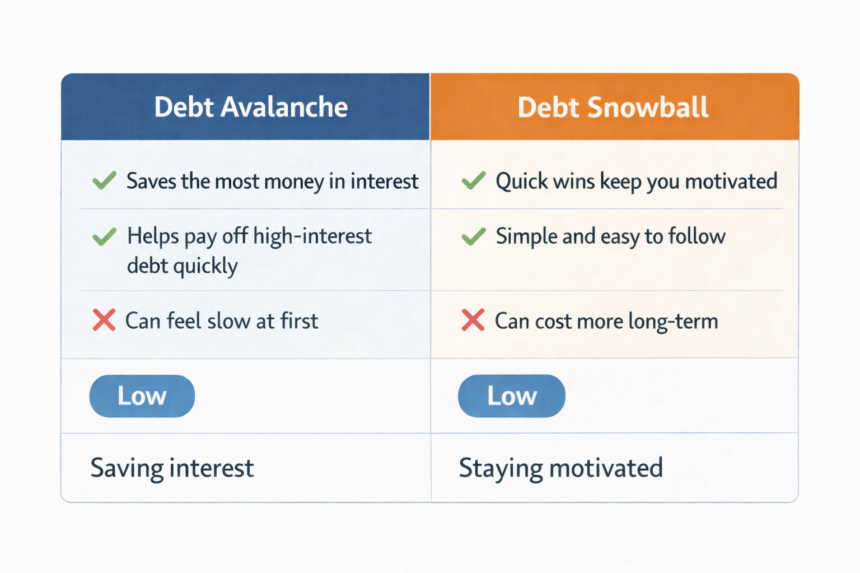
A comparison table of Debt Avalanche and Snowball methods, showing key differences in approach, risk, and suitability.
Choosing the right debt repayment strategy is key to getting debt-free. Compare the Debt Avalanche and Debt Snowball methods to find your best option.
SHARE

If you’re living paycheck to paycheck, dealing with credit card debt can feel like an endless cycle. It seems like no matter how much you pay, the balance just doesn’t go down. But here’s the good news: getting out of credit card debt on a low income is totally possible. It might take some time and effort, but with a solid plan, you can start working your way out of debt without completely sacrificing your quality of life.

Contents
Real-Life Example:Best Methods for Paying Off DebtFAQThe “Debt Settlement” Trap (Warning)Final Thoughts

Let’s break it down into simple steps.

Quick Summary Box

How to Stop Interest Growth & Pay Off Credit Card Debt:

  • Stop interest growth:Try balance transfers or negotiate for a lower interest rate.

  • Protect essentials: Make sure you’re paying for your basic needs first.

  • Negotiate with creditors: Reach out to credit card companies to lower your interest rates or explore debt settlement options.

  • Increase cash flow: Find ways to bring in more money, like side jobs or cutting back on non-essential expenses.

Real-Life Example:

John, who makes $2,100 per month, has $4,800 in credit card debt with an APR of 23%. He contacts his credit card company and negotiates an APR of 15%. By paying $200 per month instead of the usual $120, he saves about $1,300 in interest payments and pays off his debt 14 months earlier.

This is just one example of how negotiating your interest rate and paying more each month can make a huge difference in how quickly you pay off your debt.
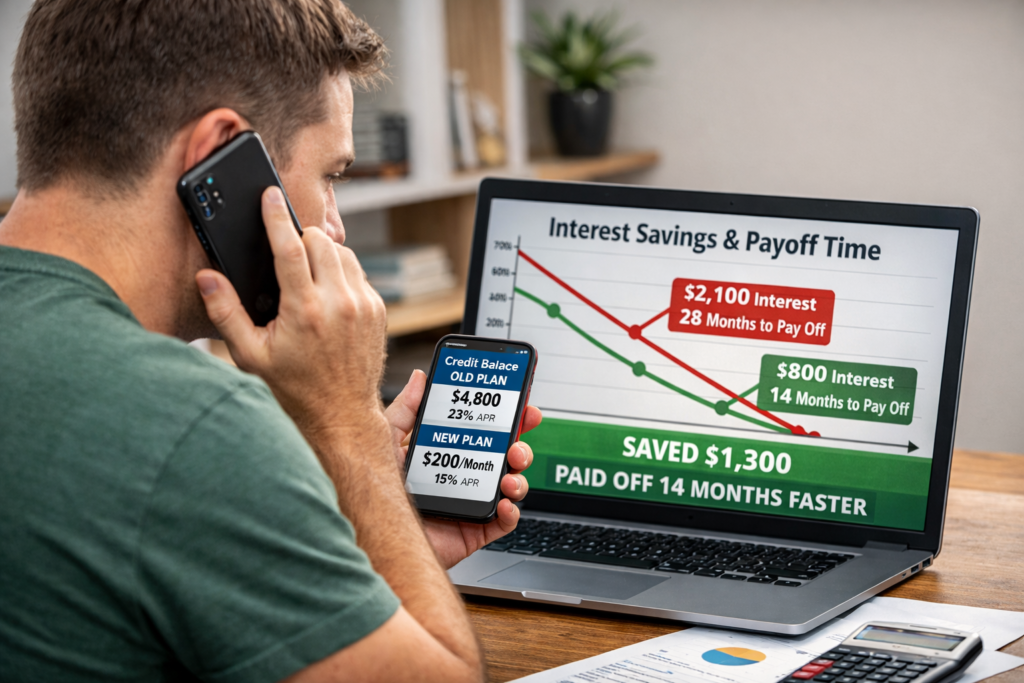
A visual of John negotiating his credit card debt down, with a graph showing the potential savings.
John saved $1,300 in interest by negotiating his APR down to 15%, paying off his debt 14 months earlier. See how small changes can lead to big savings.

Step 1: Stop Adding More Debt

The first thing you have to do to take control of your finances is very simple: just stop using your credit cards. It is tempting to just keep on swiping, especially when life gets stressful, but the last thing you want to do is add to your debt.

Here’s what you can do:

1. Make a Budget

The first step is to write down where your money is going. There are some great tools like Mint or EveryDollar that can help you track your spending. Once you see where your money is going, you can start making a plan. Cutting back on some of the unnecessary expenses will give you more money to put towards your debt.

2. Create an Emergency Fund

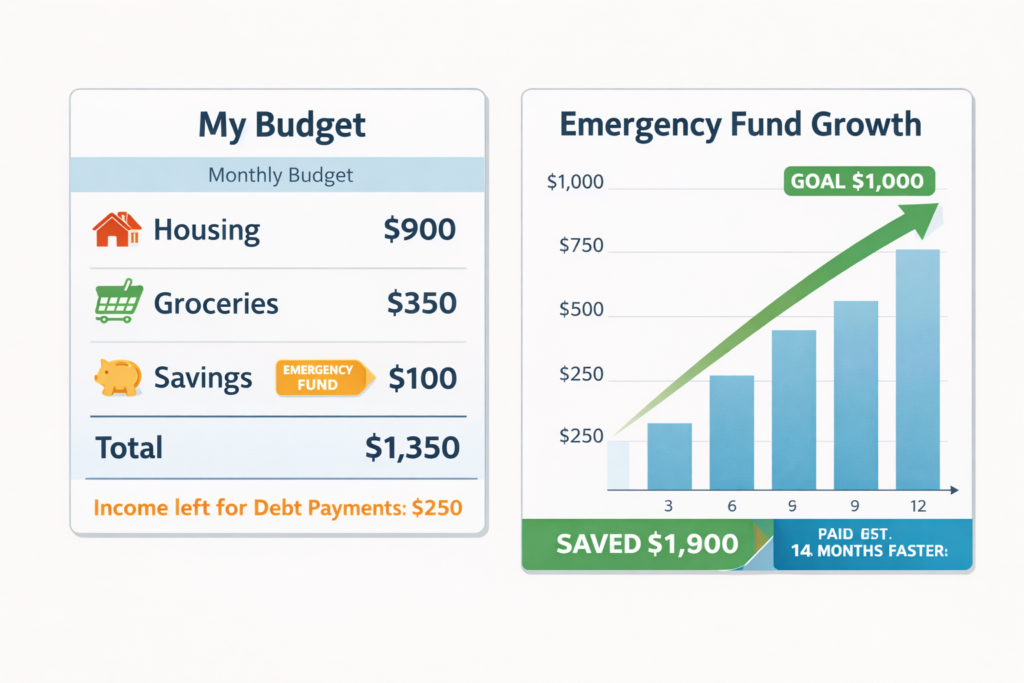
Even if you are living on a tight budget, it’s a good idea to try to save at least $250 to start. This will help you avoid pulling out your credit card when you have an unexpected expense. As your financial situation gets better, you can work towards building it up to 3-6 months of expenses.
Source: Consumer Financial Protection Bureau (CFPB)

A digital budgeting tool showing expenses and savings with a focus on building an emergency fund.
A solid budget is the first step to taking control of your finances. Start small with an emergency fund and work your way up.

3. Use Hardship Programs

Many credit card issuers have hardship programs that can lower your interest rate temporarily or even help you defer payments for a period of time. It is worth calling your credit card issuers to see if they have hardship programs.

Step 2: Choose a Debt Repayment Strategy

Now that you have stopped adding to your debt, it is time to start paying it off. There are a variety of ways that you can attack your debt, depending on what drives you the most.

Debt Avalanche Method

This method saves you the most money over time. You focus on paying off the debt with the highest interest rate first, then move down to the next highest.
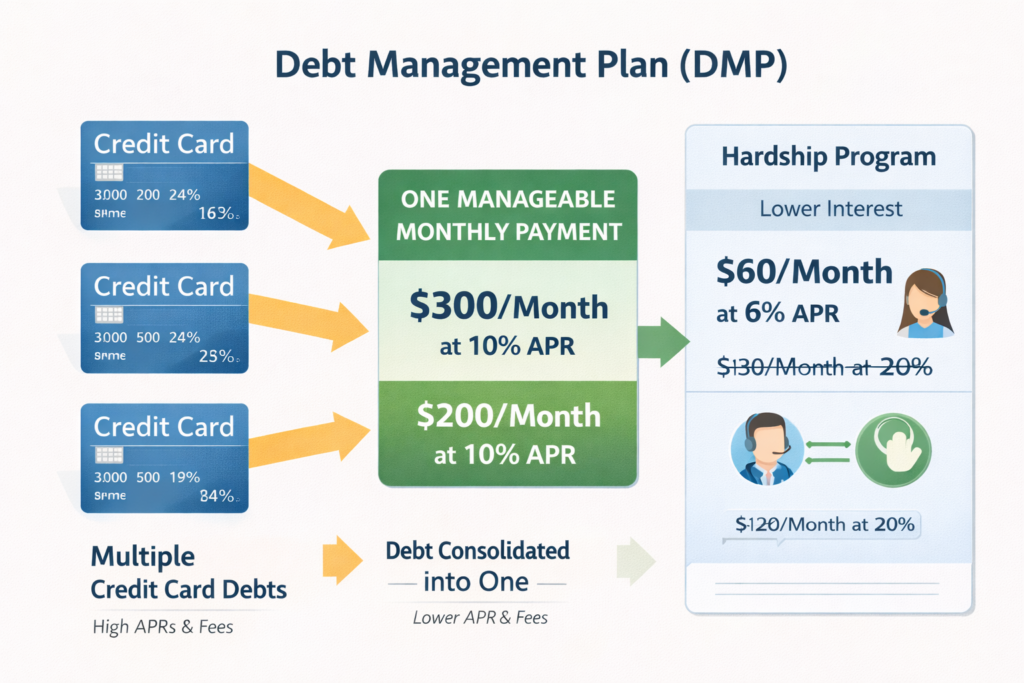
An infographic showing how a Debt Management Plan consolidates multiple credit card debts into one monthly payment.
A Debt Management Plan can simplify debt repayment by consolidating payments and reducing interest rates. Learn more about DMPs and hardship programs.

Pros:

  • Saves the most money in interest.

  • Helps you pay off debt faster.

Cons:

  • It can feel slow at first, especially if your smaller balances don’t get paid off quickly.

Debt Snowball Method

This one is good for people who need motivation to keep going. You pay off your smallest debt first, no matter the interest rate. Once that’s done, you move on to the next smallest, and so on.

Pros:

  • Quick wins keep you motivated.

  • Simple and easy to follow.

Cons:

  • It may take longer and cost more, as higher-interest debts take longer to pay off.

Balance Transfer

If you have decent credit, a balance transfer card can help lower your interest rate to 0% for a certain period. This gives you time to pay off your debt without adding more interest.

Pros:

  • No interest for the introductory period.

  • Consolidates multiple payments into one.

Cons:

  • There might be a balance transfer fee (usually 3–5%).

  • Interest rates may go up after the intro period ends.

Source: Federal Reserve: Credit Card Debt

Best Methods for Paying Off Debt

Debt Avalanche Saving interest Low
Credit Counseling (DMP) Very low income Low
Balance Transfer Fair credit Medium
Debt Settlement Severe hardship High

Step 3: Get Support and Stay Disciplined

Paying off credit card debt is hard, but you don’t have to do it alone. There are support systems available to help guide you through.

Nonprofit Credit Counseling

Organizations like the National Foundation for Credit Counseling (NFCC) can connect you with nonprofit credit counselors who will help you build a personalized plan for getting out of debt.

Look for Debt Relief Programs

Many credit card companies offer relief programs that reduce interest rates or even help reduce your debt. Ask your creditors if they have any options to make your payments more manageable.

Source: National Foundation for Credit Counseling (NFCC)

FOR A MORE DETAILED STRATEGY,CHECK OUT OUR

[Best Way to Pay Off Credit Card Debt: A Comprehensive Guide for U.S. Consumers]
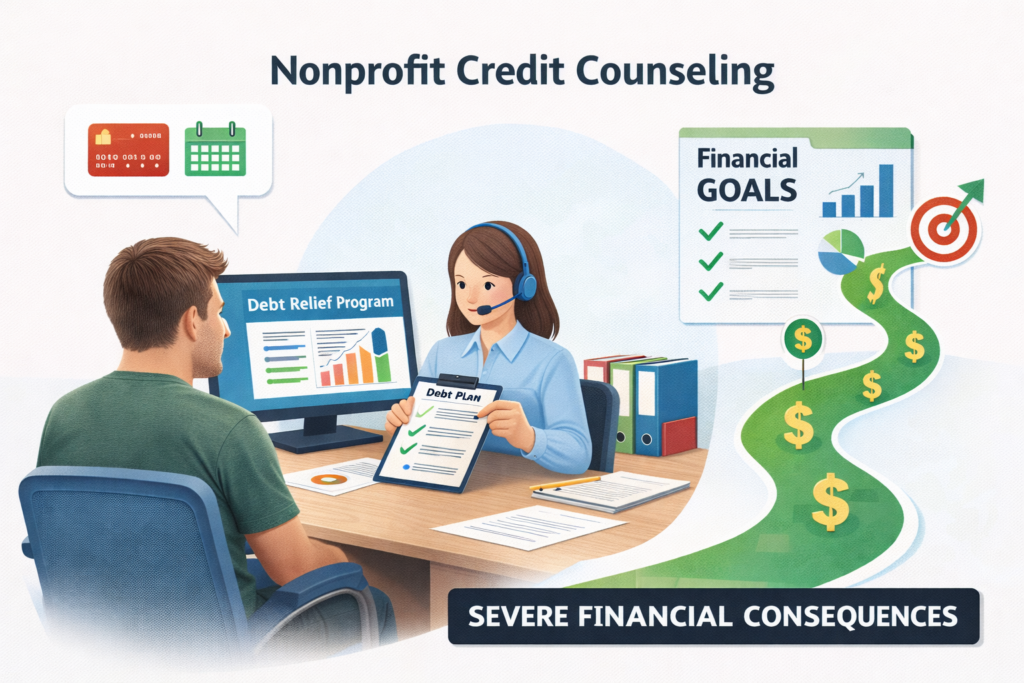
A visual showing a person working with a nonprofit credit counselor to create a debt repayment plan.
Seek professional guidance from nonprofit credit counselors to develop a debt repayment plan that fits your needs.

FAQ

How do I pay off my credit card debt if I am poor?

Start by creating a budget, cutting back on non-essential spending, and focusing on the smallest debt first (snowball method). You can also negotiate with your creditors for lower interest rates or apply for hardship programs.

How can I pay off credit card debt with no money?

If you have no money, contact your creditors for help, or consider a Debt Management Plan (DMP). You can also look for ways to increase your income through side jobs or freelance work.

How do I pay off credit card debt fast with low income?

To pay off credit card debt quickly with a low income, cut back on your expenses, increase your income, and use the debt avalanche or snowball method. You can also consider balance transfer cards to save on interest.

The “Debt Settlement” Trap (Warning)

Debt settlement might sound like an easy way out, but it should only be considered as a last resort. While it can reduce your total debt, it can seriously harm your credit score. Be aware that debt settlement companies may charge high fees, and it might take a long time to fully rebuild your credit.
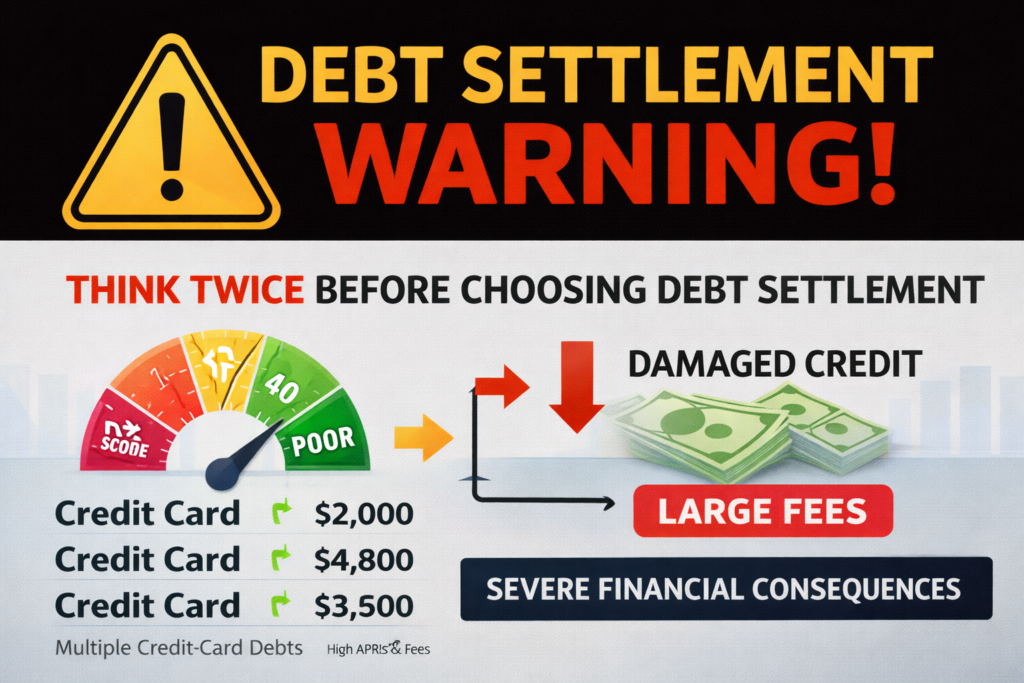
A warning graphic explaining the risks of debt settlement and its potential impact on credit scores.
Debt settlement might offer short-term relief, but it can damage your credit long-term. Think carefully before choosing this option.

Final Thoughts

It’s not easy to pay off credit card debt on a low income, but it is definitely possible. With a little bit of planning, negotiating, and a whole lot of hard work, you can pay off your debt and start working towards a brighter financial future.

Just remember to keep your head up and keep pushing forward. There is definitely light at the end of the tunnel, and you have the power to make it happen.

Disclaimer:
The information provided in this article is for educational purposes only and should not be considered as financial advice. Always consult with a financial advisor or credit counselor before making any significant decisions regarding debt repayment or financial strategies. The strategies discussed may not be suitable for everyone and results may vary depending on individual circumstances.
You Might Also Like

Best Way to Pay Off Credit Card Debt: A Comprehensive Guide for U.S. Consumers

What Causes Your Credit Score to Change? A Beginner’s Guide Explained Simply

How to Build and Improve Your Credit Score in the USA: The Complete Beginner’s Guide

TAGGED:credit cardDebt AvalancheDebt Snowball

Sign Up For Daily Newsletter

Be keep up! Get the latest breaking news delivered straight to your inbox.
[mc4wp_form]
By signing up, you agree to our Terms of Use and acknowledge the data practices in our Privacy Policy. You may unsubscribe at any time.
Share This Article
Facebook Twitter Whatsapp Whatsapp LinkedIn Telegram Copy Link Print
Share
By Jacob Charles
Follow:
Jacob Charles is a U.S.-based personal finance writer who focuses on consumer credit, banking, and everyday money decisions faced by American households. His work centers on helping readers understand complex financial systems—such as credit reporting, bank compliance rules, and lending practices—in clear, practical terms. Jacob began his career in the financial services industry, where he gained hands-on exposure to retail banking operations and customer account management. During this time, he worked closely with everyday consumers, assisting with checking and savings accounts, transaction disputes, and basic credit-related questions. This frontline experience continues to shape his approach to financial writing. Before becoming a full-time finance writer, Jacob also spent time researching consumer lending products, including credit cards, auto loans, and personal loans, with a focus on how financial institutions assess risk and compliance. He later transitioned into writing, where he combines industry knowledge with real-world consumer scenarios to explain how financial decisions and regulations affect people in practice—not just on paper. As a writer, Jacob has covered a wide range of personal finance topics, including credit scores, banking issues, account freezes, budgeting fundamentals, and beginner-friendly financial education. His articles are informed by publicly available U.S. financial regulations, guidance from agencies such as the Consumer Financial Protection Bureau (CFPB), and common issues faced by consumers navigating the U.S. banking system. Jacob’s work emphasizes accuracy, transparency, and practical guidance. Rather than promoting quick fixes, he focuses on helping readers understand why financial issues happen and how to respond effectively. Jacob lives in the United States and continues to write about consumer finance with a focus on clarity, responsible money management, and long-term financial stability.
Previous Article "Infographic explaining the Debt Snowball Method showing the steps to pay off credit card debt starting with the smallest balance." Best Way to Pay Off Credit Card Debt: A Comprehensive Guide for U.S. Consumers
Leave a comment Leave a comment

Leave a Reply Cancel reply

Your email address will not be published. Required fields are marked *

Stay Connected

235.3kFollowersLike
69.1kFollowersFollow
11.6kFollowersPin
56.4kFollowersFollow
136kSubscribersSubscribe
4.4kFollowersFollow
- Advertisement -
Ad imageAd image

Latest News

"Smart $1000 split strategy: Building credit and investing simultaneously."
How to Build Credit with $1000 Using a Secured Credit Card
Budgeting & Saving 25 January 2026
how to start investing with little money
How to Start Investing With Little Money in 2026:A Beginner’s Guide (U.S.)
Budgeting & Saving 23 January 2026
bank account frozen what to do usa
Bank Account Frozen? What to Do in the USA — Advice From Real-World Experience
Banking in USA 20 January 2026
how to open a bank account in the USA for beginners
How to Open a Bank Account in the USA: A Complete Step-by-Step Guide for Beginners
Banking in USA 18 January 2026
usaharmony.comusaharmony.com
Follow US
Copyright © 2026 USAHARMONY
  • About – USAHARMONY
  • Terms and Conditions
  • Disclaimer
  • Privacy Policy
  • Contact
Go to mobile version
usaharmony.com
Welcome Back!

Sign in to your account

Lost your password?