

Credit card debt isn’t just a number; it’s a thief that steals your sleep. It keeps you up at night, thinking about interest, fees, and a never-ending balance. And here’s the kicker: you don’t need a loan to get out of it. I’m Abhinav kumar, and I’ve seen it all. I’m tired of watching people throw money at their debt without a clear plan. I’m here to tell you, it’s possible to break free—without taking out more debt.
Let’s get into it.
How to Pay Off Credit Card Debt Fast Without a Loan
You don’t need to dig yourself deeper by taking out a loan. That’s just moving the debt around. The goal is to stop playing the game by the bank’s rules. Let’s flip the script.
1. Stop Accumulating Debt
Before we get to the good stuff—how to pay it off—let’s talk about how to stop making it worse.

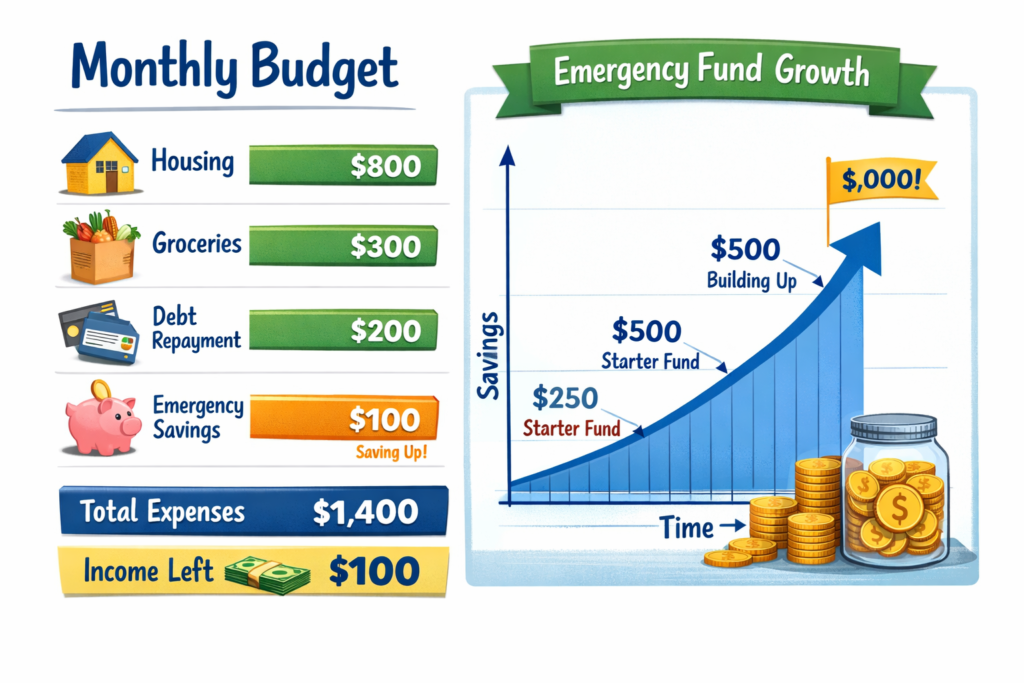
Step 1: Build a Budget.
Listen, if you don’t know where your money’s going, you’re already losing. You need to get a clear picture of what’s coming in and where it’s going. Apps like Mint or EveryDollar can make this easier for you.
Step 2: Build an Emergency Fund.
I know, saving when you have debt feels like a cruel joke. But trust me, having even $250 set aside can keep you from racking up more debt when life throws a curveball. If you can, try to save enough for one month’s worth of expenses. That’s a great starting point. It’s a lot better than using your credit card for everything that goes wrong.
Step 3: Ask for Help.
Your credit card companies are businesses, not your friends. But you can still use that to your advantage. Call them and demand a lower interest rate. What’s the worst they can say? No? Big deal. It’s worth the shot.
Debt Repayment Strategies That Actually Work
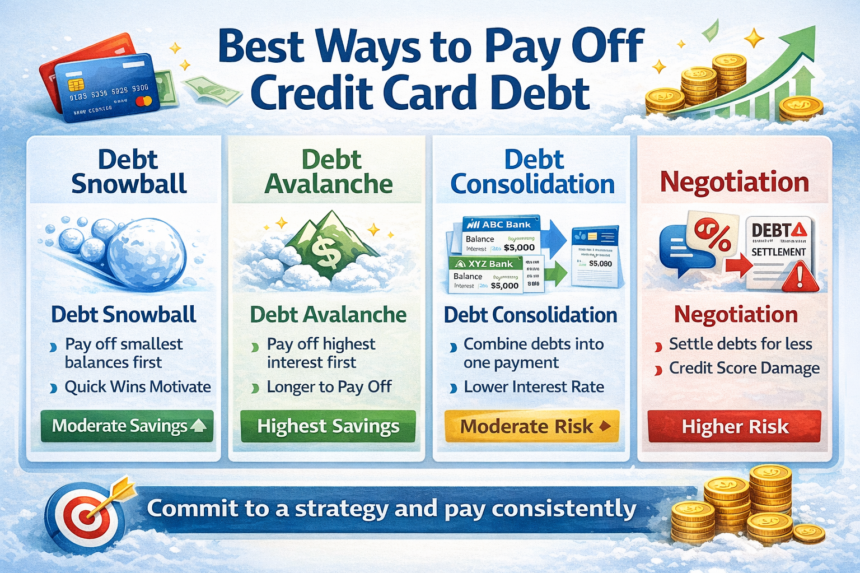
Once you stop making debt worse, it’s time to hit it hard. No more juggling balances and making minimum payments. Let’s break down the two best strategies for knocking down that mountain of debt.
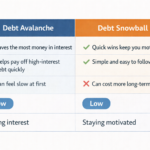
The Debt Avalanche Method: Stop Paying So Much Interest
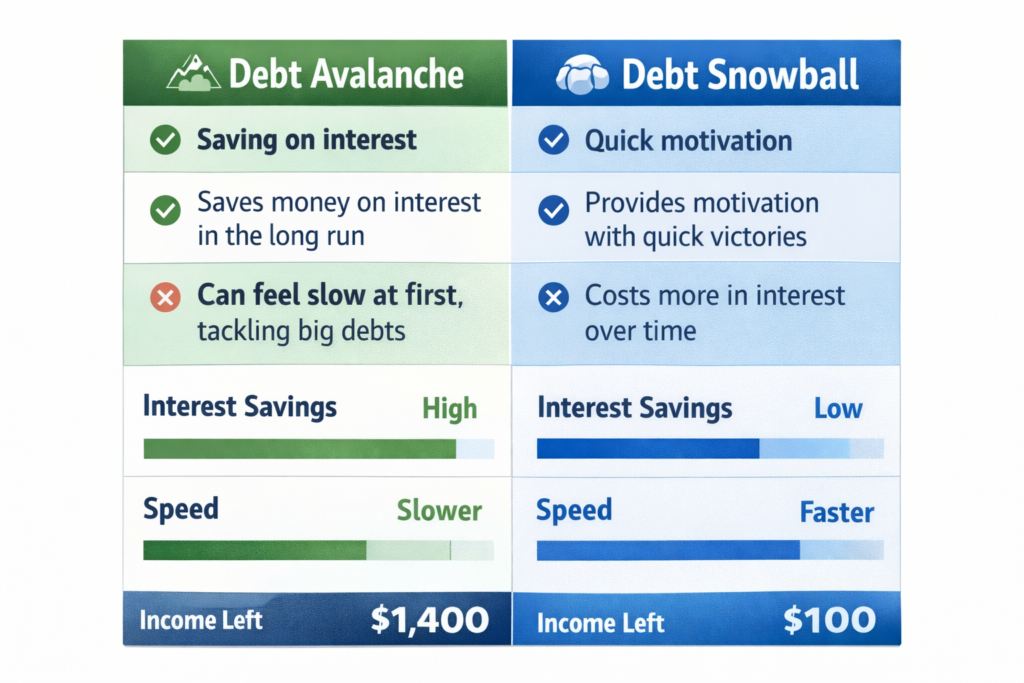
Here’s the deal: The Debt Avalanche method is the fastest way to pay off debt if you’re trying to save the most money in interest. Simple math: You focus on the debt with the highest interest rate first. Once that’s paid off, tackle the next highest
Pros:
Saves the most money on interest
Cuts down your overall debt quicker
The faster you pay off that expensive debt, the more money you keep in your pocket
Cons:
It feels slow at first. You’ll see bigger balances on other cards while you tackle the big, high-interest one.
The Debt Snowball Method: Get Quick Wins
Some of us just need to feel that quick success. If you’ve got a bunch of little debts, the Debt Snowball Method can be a motivator. You pay off the smallest debt first, no matter what the interest rate is. Once you clear one off, use that money to tackle the next small debt. And so on.
Pros:
Motivating. You get to cross off debts one by one
Simple to follow
Boosts your confidence (you’ll need it)
Cons:
It costs you more in the long run. High-interest cards take longer to pay off.
Balance Transfer Cards: A Sneaky Trick for High Interest Rates
If your credit is good, you can lower your interest rate to 0% with a balance transfer card. For a limited time (usually 12-18 months), you’ll pay zero interest. But beware: most cards charge a 3-5% transfer fee, so do the math first.
Pros:
0% interest for a limited time
Simplifies things if you have balances on multiple cards
It’s a good way to save money on interest while paying off debt
Cons:
There’s a fee. You’re paying a little upfront, and if you don’t pay it off before the interest rate kicks back in, you’re back to square one.
Steps to Make This Happen (Without a Loan)
Look, if you really want to pay off credit card debt without a loan, you’ve gotta focus on two things: cutting costs and making extra money. Here’s how:
1. Cut Back on Spending:
Look at your budget. Are you still spending $200 a month on eating out? Trim that. Cancel subscriptions you’re not using. Take a break from impulse buys. Every penny counts when you’re digging your way out of debt.
2. Earn More Money:
Can you take on a side hustle? A part-time job? Even a few extra hundred bucks a month will make a big difference when you throw it at your credit card debt. Check out gigs like food delivery or ridesharing if you’ve got the time.
3. Make Payments Automatic:
Set up automatic payments for the minimum amount due on each card, and then throw anything extra at the highest-interest card. If you don’t automate it, life will get in the way and you’ll be back to square one.
Real-Life Example: Sarah’s Debt Avalanche
Sarah has $3,000 in credit card debt. She’s paying $200/month, and her interest rate is 18%. She chooses the Debt Avalanche method. By focusing on the highest-interest debt first, she ends up paying $800 less in interest and is debt-free 14 months sooner.
Quick tip: If you want to make even more of an impact, negotiate your interest rate. A 3% decrease on a large balance will save you big.
Debt Repayment Comparison Table
| Method | Best For | Interest Savings | Speed | Psychological Boost |
|---|---|---|---|---|
| Debt Avalanche | High-interest debt | High | Slow | Low |
| Debt Snowball | Motivation & quick wins | Low | Fast | High |
| Balance Transfer | High-interest, good credit | High | Moderate | Medium |
How to Pay Off Credit Card Debt When You Have No Money
I know what you’re thinking: How the hell am I supposed to pay off debt with no money?
Here’s the deal: if you have no money, the first step is to stop making new charges. I don’t care if it’s tempting to buy a new jacket or eat out. If you can’t afford it, don’t buy it. Take a look at your budget. Is there room to cut back on non-essential expenses? Can you find any part-time work? If so, do it. Anything you can earn goes straight to your debt.
You don’t need a loan to fix this.
FAQ: Common Questions About Paying Off Credit Card Debt
Start by trimming non-essential expenses and focus on the smallest debts with the Debt Snowball method. Find ways to earn extra income—small changes can make a huge impact.
Yes. Focus on the Debt Avalanche method, cut spending, and find extra money wherever possible. Use any windfalls (like tax refunds) to pay off debt.
Start with a budget, and focus on high-interest cards using the Debt Avalanche method. Cut costs and earn extra money. It’ll take time, but you’ll get there.
Get Started Right Now
Look, it’s not going to be easy. But if you follow these strategies, stay disciplined, and make paying down your debt your priority, you can do this.
Pick one of your debts right now and throw an extra $20 at it today. Start small, but start now. Stop waiting for a loan to fix it. Fix it yourself.
Disclaimer:
The information provided in this article is for educational purposes only and should not be considered as financial advice. Always consult with a financial advisor or credit counselor before making any significant decisions regarding debt repayment or financial strategies. The strategies discussed may not be suitable for everyone and results may vary depending on individual circumstances.