

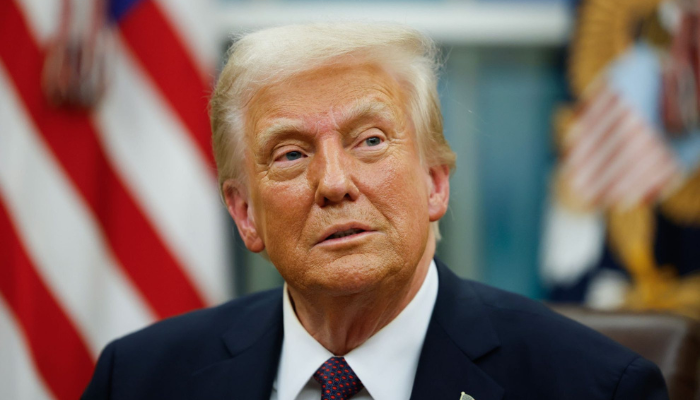
Global tensions around Iran have sharply increased after U.S. President Donald Trump announced strict economic penalties for countries doing business with Tehran. The warning, delivered through a social media post, signals a tougher American stance and raises concerns about its impact on global trade, diplomacy, and regional stability.
President Trump declared that any country maintaining commercial ties with Iran will face a 25% tariff on all trade with the United States, effective immediately. This move is aimed at isolating Iran economically and pressuring its leadership to change course on key issues, including security and regional influence.
According to the White House, Trump is keeping “all options on the table” when it comes to Iran, including military action, though diplomacy remains his preferred path. Speaking to reporters, U.S. Press Secretary Karoline Leavitt said the President believes in testing diplomatic signals coming from Iran, even if Tehran’s public statements appear hostile.
“The President is open to diplomacy, but he will not hesitate to act if American interests are threatened,” Leavitt stated. She emphasized that Trump is willing to use military force if he believes it is necessary to protect U.S. allies and global security.
Leavitt also confirmed that President Trump will meet Venezuelan opposition leader Maria Corina Machado on Thursday, highlighting Washington’s broader focus on geopolitical challenges beyond the Middle East.
On the other side, Iran has issued a strong warning, saying it is fully prepared to respond to any attack. Foreign Ministry spokesperson Esmaeil Baghaei said Iran’s armed forces are on high alert and capable of defending the nation. He accused the United States and Israel of worsening the situation through what he described as foreign interference.
Baghaei claimed that external pressure and sanctions are fueling instability rather than resolving it, adding that Iran would not bow to threats or economic coercion.
At the same time, Iran is facing serious internal unrest. Widespread protests continue across the country, driven by soaring inflation, unemployment, and public anger over governance. Ordinary citizens have taken to the streets to demand economic relief and political accountability.
According to a U.S.-based human rights organization, more than 600 people have been killed and over 10,000 arrested during the ongoing protests. These figures, though difficult to independently verify, point to a deepening crisis inside Iran that adds another layer of complexity to the international standoff.
Experts warn that Trump’s tariff threat could force many countries to choose between trade with the U.S. and economic ties with Iran. For nations heavily dependent on American markets, the decision may be unavoidable. However, critics argue that such measures could disrupt global supply chains and raise prices for consumers worldwide.
Supporters of the policy believe the pressure could push Iran back to the negotiating table, while opponents fear it may harden positions and increase the risk of military confrontation.
As diplomatic signals, economic pressure, and military warnings collide, the Iran-U.S. conflict appears to be entering a more dangerous phase. The coming weeks will be crucial in determining whether dialogue prevails or the situation escalates further, with consequences that could ripple across the world.