
usaharmony.comusaharmony.comusaharmony.com
  • Finance
    • Banking in USA
    • Budgeting & Saving
    • Credit Score USA
  • U.S. Immigration Guide
Reading: How Credit Score Works in USA (Beginner Friendly Guide)
Share
Sign In
Notification
Font ResizerAa
usaharmony.comusaharmony.com
Font ResizerAa
  • Finance
  • U.S. Immigration Guide
Search
  • Finance
    • Banking in USA
    • Budgeting & Saving
    • Credit Score USA
  • U.S. Immigration Guide
Have an existing account? Sign In
Follow US
Copyright Ā© 2026 USAHARMONY

Home » Finance

Finance

How Credit Score Works in USA (Beginner Friendly Guide)

Abhinav kumar
Last updated: 7 February 2026 00:28
Abhinav kumar
Share
6 Min Read
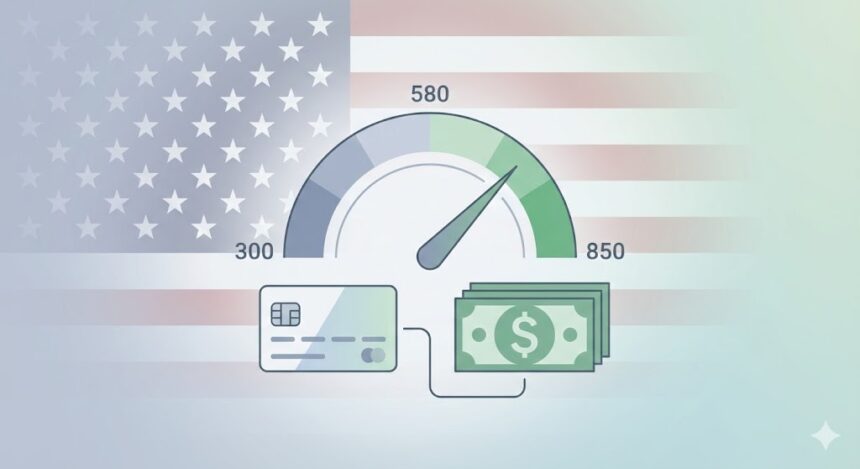
How credit score works inĀ USA
Understanding the US credit score system forĀ beginners
SHARE

If you are new to the United States—or simply new to personal finance—understanding how the credit score works in the USA is essential. Your credit score affects your ability to rent an apartment, get a car loan, qualify for a credit card, and even secure certain jobs. This beginner-friendly guide explains credit scores in simple language, with practical tips you can use right away.

Contents
What Is a Credit Score?Who Creates Credit Scores in the USA?Credit Score Ranges ExplainedHow Credit Score Is Calculated (Simple Breakdown)Why Credit Score Is Important in the USAHow to Build Credit Score From Zero (Beginners)How Long Does It Take to Build Credit?Common Credit Score Mistakes Beginners MakeHow to Check Your Credit Score for FreeFAQs: Credit Score in the USA

What Is a Credit Score?

A credit score is a three-digit number that represents how trustworthy you are as a borrower. In the United States, lenders use this score to decide:

  • Whether to approve your loan or credit card

  • How much interest rate to charge you

  • How much credit limit to offer

The most commonly used range is 300 to 850. Higher scores mean lower risk for lenders.

Who Creates Credit Scores in the USA?

Credit scores are calculated by scoring models using information from credit bureaus.

Major Credit Bureaus

  • Experian

  • Equifax

  • TransUnion

These bureaus collect your credit history and generate credit reports.

Popular Credit Score Models

  • FICO Score (used by most banks and lenders)

  • VantageScore (used by many free credit apps)

Although numbers may differ slightly, both models follow similar rules.

https://www.cnbc.com/select/guide/credit-scores-for-beginners/

Credit Score Ranges Explained

Credit ScoreMeaning
300–579Poor
580–669Fair
670–739Good
740–799Very Good
800–850Excellent

For beginners, reaching 670+ is a strong milestone.

How Credit Score Is Calculated (Simple Breakdown)

Your credit score is based on five main factors. Understanding these helps you improve it faster.

1. Payment History (35%)

  • Did you pay your bills on time?

  • Late payments, defaults, or collections hurt badly.

Rule: Even one late payment can drop your score.
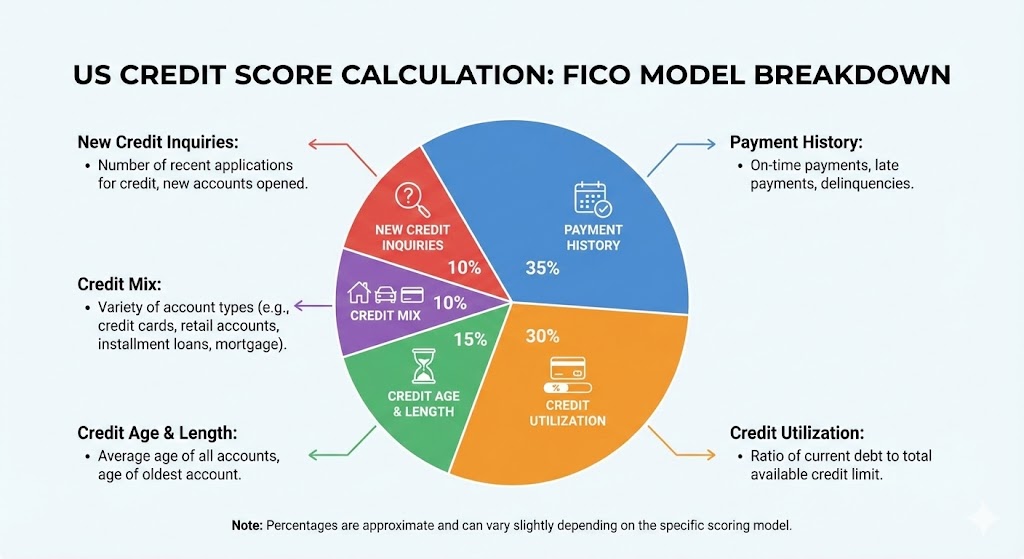
How credit score is calculated in USA
Main factors that affect credit scores in the United States

2. Credit Utilization (30%)

  • How much credit you are using compared to your limit

Example: If your credit limit is $1,000 and you use $300, your utilization is 30%.

Best practice: Keep utilization below 30% (below 10% is ideal).

3. Length of Credit History (15%)

  • How long you have been usingcredit

Older accounts help your score, which is why beginners start lower.

4. Credit Mix (10%)

  • Types of credit you use

Examples:

  • Credit cards (revolving credit)

  • Auto loans

  • Student loans

A healthy mix improves your score slightly.

5. New Credit Inquiries (10%)

  • Each time you apply for credit, a hard inquiry is made.

  • Too many inquiries in a short time can reduce your score.

Why Credit Score Is Important in the USA

Your credit score affects many parts of daily life:

  • Renting a home: Landlords check your score

  • Car loans: Lower score = higher interest

  • Credit cards: Better score = better rewards

  • Utilities: Some companies require deposits

  • Jobs: Certain employers review credit reports

In the USA, credit equals trust.

How to Build Credit Score From Zero (Beginners)

If you have no credit history, follow these steps:

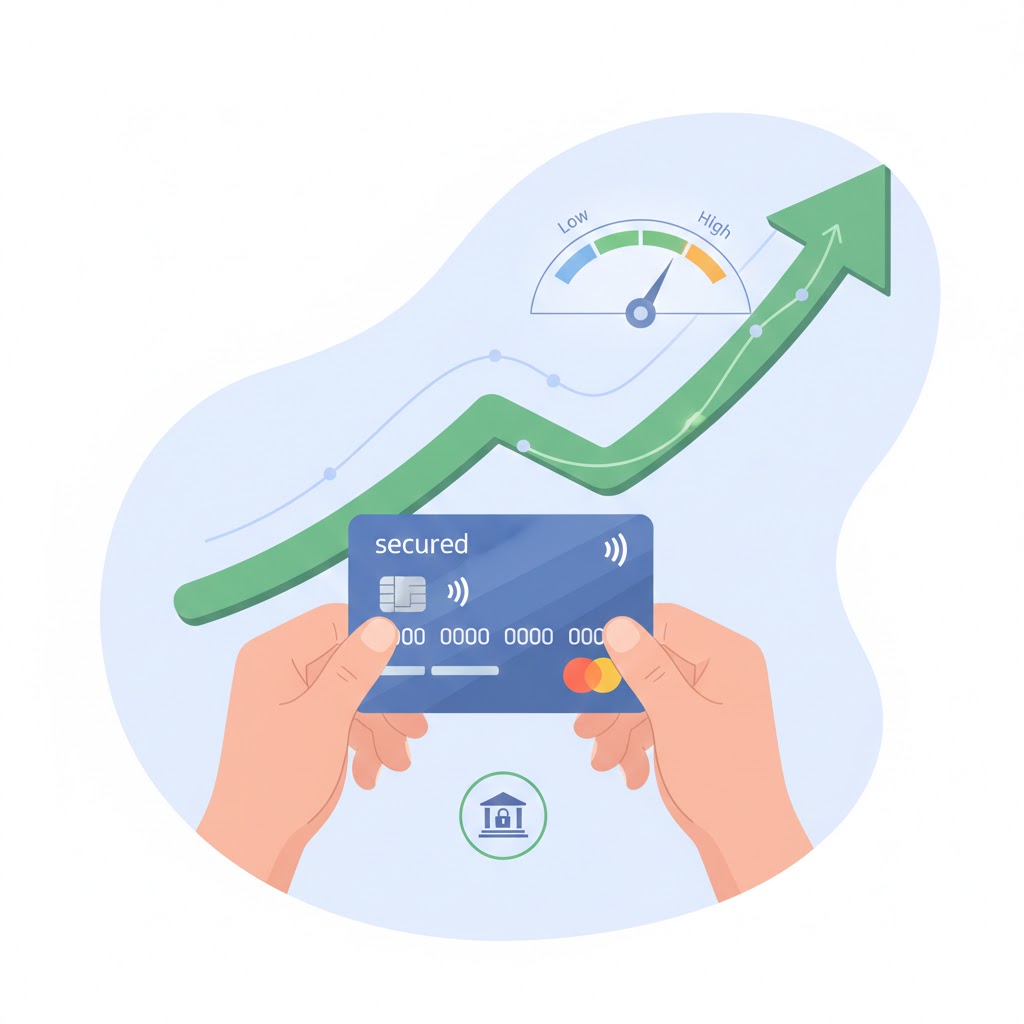
1. Get a Secured Credit Card

  • Requires a refundable deposit

  • Works like a normal credit card

  • Best starting option

How to build credit score from zero in USA
Simple ways beginners can start building credit in the USA

2. Become an Authorized User

  • Ask a trusted person to add you to their credit card

  • Their good history can help your score

3. Pay Bills On Time—Every Time

  • Set auto-pay for minimum balance

4. Keep Credit Usage Low

  • Never max out your card

How Long Does It Take to Build Credit?

  • First score appears: 3–6 months

  • Good score (670+): 6–12 months with discipline

  • Very good score (740+): 12–24 months

Credit building is slow but reliable.

Common Credit Score Mistakes Beginners Make

  • Missing due dates

  • Closing old accounts early

  • Applying for many cards at once

  • Using full credit limit

  • Ignoring credit reports

Avoiding these mistakes saves years of effort.

How to Check Your Credit Score for Free

You can check your credit score without hurting it using:

  • Bank mobile apps

  • Free credit monitoring services

  • Annual credit report services

Checking your own score does not reduce it.

FAQs: Credit Score in the USA

Is 700 a good credit score in the USA?

Yes. A score of 700 is considered good and qualifies for most loans.

Can immigrants build credit in the USA?

Yes. With an SSN or ITIN, immigrants can build credit legally.

Does debit card usage build credit?

No. Only credit-based products affect credit scores.

How often does credit score update?

Usually every 30 days, depending on lender reporting.

Can paying rent improve credit score?

Yes, if rent reporting services are used.

ALSO:Read https://usaharmony.com/life-insurance-corporation-of-india-lic/

By signing up, you agree to our Terms of Use and acknowledge the data practices in our Privacy Policy. You may unsubscribe at any time.
Share This Article
Facebook Twitter Whatsapp Whatsapp LinkedIn Telegram Copy Link Print
Share
By Abhinav kumar
Follow:
Abhinav Kumar is an engineering graduate and former H-1B visa holder who spent several years living and working in the United States. During that period, he went through the H-1B lottery process, experienced the visa stamping process at a US consulate, navigated an employer transition under H-1B portability rules, and began understanding the long-term realities of employment-based immigration — including the green card backlog that affects hundreds of thousands of Indian nationals. When he returned to India, he found that the information available to Indian professionals preparing for the US immigration journey was either too generic, too outdated, or buried in legal language that required a law degree to parse. That gap became the reason he started writing. His work focuses on US immigration policy and personal finance for Indian immigrants — covering H-1B lottery mechanics, visa stamping procedures, USCIS policy updates, and financial fundamentals like building US credit, opening a first bank account, and understanding retirement accounts. Every article is grounded in primary sources: USCIS policy manuals, State Department guidance, Department of Labor wage data, IRS publications, and Federal Register rule changes. His writing has been published on finance and immigration platforms, and he actively answers questions from Indian professionals on Quora, where his responses on H-1B processes and US financial basics have helped thousands of readers. Abhinav holds an engineering degree from an Indian university. He is not a licensed immigration attorney or financial advisor. The content he publishes at USAHarmony reflects his own firsthand experience and in-depth independent research — and every article carries a clear disclaimer encouraging readers to consult qualified professionals before making decisions specific to their situation. For questions, corrections, or feedback on any article, he can be reached through the USAHarmony contact page.
Next Article How to Build Credit Score in the USA for Beginners (Complete 2026 Guide)
Leave a comment Leave a comment

Leave a Reply Cancel reply

Your email address will not be published. Required fields are marked *

Stay Connected

TwitterFollow
- Advertisement -
Ad imageAd image

Latest News

Indian professional reviewing H-1B transfer documents at office desk in 2026
H-1B Transfer to New Employer in 2026: The Complete Step-by-Step Guide
Home 25 April 2026
H1B visa alternatives 2026 — professional exploring multiple US work visa options after lottery
H1B Visa Alternatives 2026: 10 Real Options After the Lottery
U.S. Immigration Guide 17 April 2026
Green card and H1B visa documents with financial planning notebook representing long-term immigration cost planning
H1B Visa Transfer Cost in 2026: What Employers and Workers Actually Pay
U.S. Immigration Guide 14 April 2026
H1B visa holder holding house keys outside newly purchased American home
H1B Visa Mortgage Loan 2026: Complete Guide to Buying a Home on a Work Visa
U.S. Immigration Guide 14 April 2026
usaharmony.comusaharmony.com
Follow US
Copyright Ā© 2026 USAHARMONY
  • About – USAHARMONY
  • Terms and Conditions
  • Financial Disclosure & Editorial Disclaimer
  • Privacy Policy
  • Contact
Go to mobile version
usaharmony.com
Welcome Back!

Sign in to your account

Lost your password?