


The Frustrating Reality of Credit Card Debt
If you’re dealing with credit card debt, especially a hefty amount like $10,000, you’ve probably noticed how easy it is to feel stuck. You make your payments, but the balance barely moves. Even when you pay above the minimum, the interest keeps piling up faster than you can get ahead. Sound familiar? You’re not alone.
The truth is, credit card companies design their systems to make it incredibly difficult to get out of debt. The high interest rates, fees, and the way payments are structured all work in their favor, not yours. This setup makes it feel like you’re endlessly chipping away at a mountain of debt that never seems to get any smaller.
Why Common Advice Doesn’t Always Work for Credit Card Debt
You’ve likely heard it a thousand times: “Just pay more than the minimum” or “Cut back on unnecessary expenses.” On paper, it sounds simple. But in reality, it’s not that easy for most people.
Paying More Than the Minimum Isn’t Always an Option
While paying more than the minimum seems like the best way to get rid of debt, it’s not always feasible. If you’re already struggling with a tight budget, finding extra funds to pay down debt can feel impossible. The high cost of living and unexpected expenses leave many people unable to afford more than the minimum payment, even if they want to. If that’s your situation, don’t feel guilty — it’s a common struggle.
Cutting Back Isn’t a Quick Fix
Cutting back on spending sounds like a simple solution, but it’s not a one-size-fits-all fix. Sure, you can reduce your dining out or entertainment budget, but what happens when you still can’t make enough room in your budget to make a significant dent in your debt? The truth is, cutting back is helpful but rarely enough on its own.Without a structured plan, progress will remain painfully slow.
Snowball vs. Avalanche: The Trade-Offs You Need to Consider
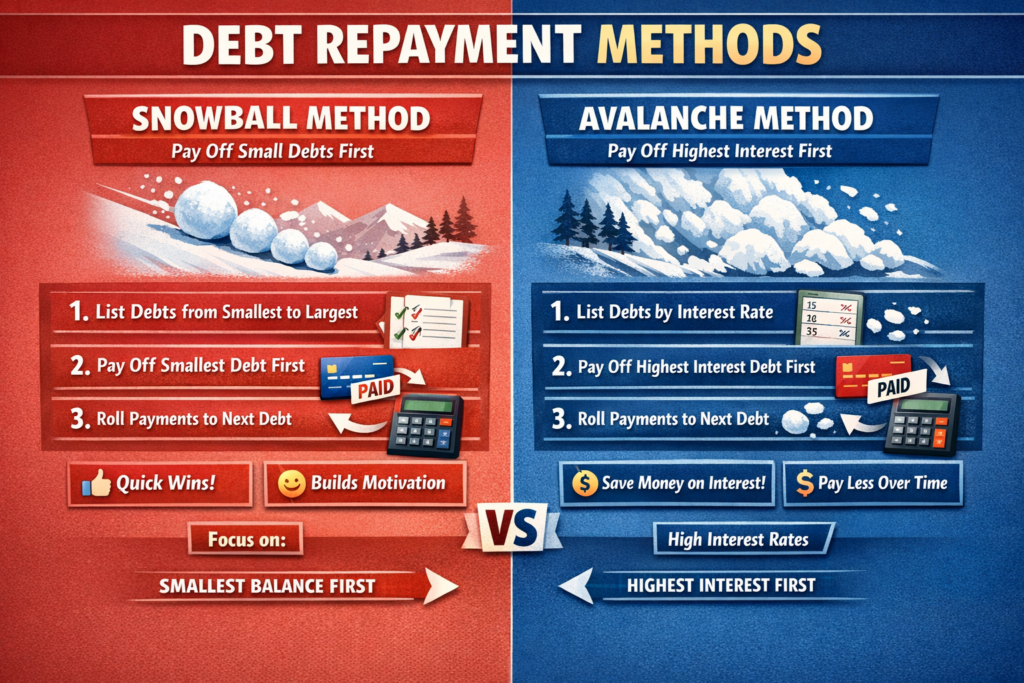
Debt payoff strategies like the snowball and avalanche methods are popular, but both have their limitations. Which one should you choose? Here’s a breakdown.
Snowball Method: Quick Wins, But at a Cost
The snowball method focuses on paying off the smallest debt first. It’s psychologically motivating because you get the satisfaction of eliminating debt quickly. But there’s a drawback: you might be ignoring high-interest balances, which means you’re paying more in interest over time.
Avalanche Method: Financially Smarter, but Slower Progress
The avalanche method targets high-interest debts first. It’s the most cost-effective method since it saves you money on interest in the long run. However, it can feel discouraging if your larger balances take a long time to pay off. Without those small wins, you might lose motivation.
Both methods are effective, but neither is perfect. The key is finding what works for your financial situation and emotional resilience. If you need quick wins, the snowball method might be a better fit. But if you want to save money on interest, the avalanche method is your best option.
The Hidden Costs of Debt Solutions
If you’re looking for ways to reduce your debt faster, options like balance transfers and debt consolidation might sound appealing. But before jumping in, it’s important to understand the potential downsides.
Balance Transfers: The “Quick Fix” That Might Cost You
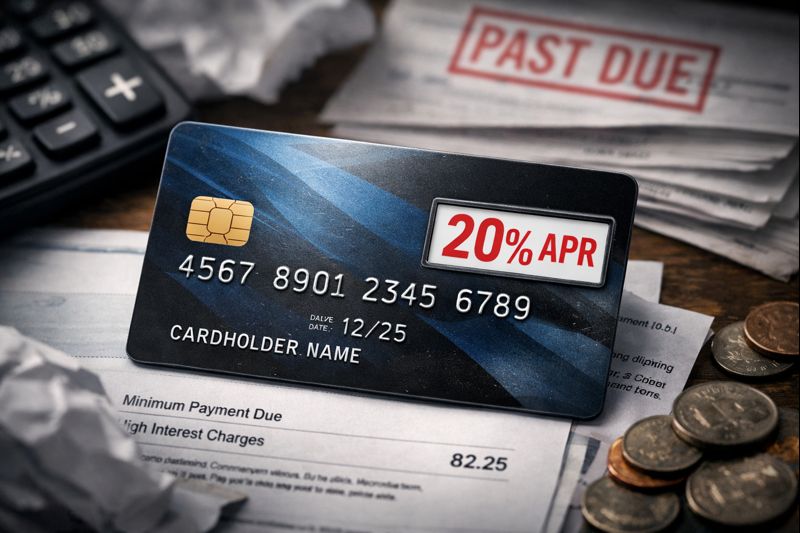
Balance transfer cards often offer 0% interest for an introductory period, which sounds like a great deal. However, they usually charge a transfer fee of 3-5%. For instance, transferring a $10,000 balance at a 4% fee would cost you $400 upfront. If you don’t pay off the balance before the 0% APR period ends, you’ll be stuck with high interest rates again — often 20% or more.
Debt Consolidation: A Shortcut That Could Backfire
Debt consolidation loans can lower your interest rate by consolidating multiple credit card debts into one loan. However, consolidation only works if you stick to a strict repayment plan. If you consolidate but continue to use credit cards, you’re simply shifting debt around without addressing the root problem.
The Emotional Side of Debt: Why It’s So Hard to Get Ahead
Debt isn’t just about numbers and payments — it’s emotional, too. The guilt and stress of owing money can cloud your judgment and make it harder to stay focused on a debt payoff plan.
The Guilt of Debt: Facing Your Financial Reality
Many people avoid facing their debt because they feel guilty or ashamed. But the longer you avoid the problem, the bigger it gets. Facing your debt might be uncomfortable, but it’s the first step in regaining control of your finances.
Rewarding Yourself With Purchases: The Danger of “Treating Yourself”
After months of making payments, the temptation to reward yourself with a purchase or night out can be strong. But small indulgences can derail your progress. It’s crucial to resist the urge to treat yourself until you’ve made significant progress on paying off your debt.
Overconfidence: Seeking Help Doesn’t Mean Failure
You might feel like you can handle your debt on your own, but managing debt without a clear plan can be overwhelming. Financial advisors and credit counselors can provide helpful insights and strategies. Seeking help isn’t a sign of weakness; it’s a proactive step toward getting back on track.
What to Do If You’re Stuck with Credit Card Debt
If you’re feeling stuck, here are the practical steps to help you take back control of your finances.
Stop Using Your Credit Card
Freeze it, either physically or digitally. This will prevent you from adding more debt while you focus on paying down the existing balance.
Choose One Payoff Method and Commit for 6 Months
Whether you choose the snowball or avalanche method, stick with it for at least six months to see real results. Consistency is key.
Call Your Credit Card Issuer
Ask for a hardship APR reduction. Many issuers are willing to work with you if you explain your situation, especially if you’ve been a good customer in the past.
Track Your Progress Monthly
Rather than checking your progress daily, track it monthly. This will help you stay focused on the bigger picture instead of getting discouraged by slow, day-to-day changes.
Setting Realistic Expectations: What to Expect When Paying Off Debt
Paying off credit card debt is not an overnight process. It takes time, patience, and the right mindset.
Realistic Timelines for Paying Off $10,000 in Credit Card Debt
If you’re paying $200 a month on a $10,000 balance with a 20% APR, it could take you 8-10 years to pay it off — and you’ll end up paying almost twice the original amount in interest. But if you can increase your payments to $500 a month, you could reduce that timeline to about 2 years and save on interest.
Slow Progress is Still Progress
Don’t get discouraged by slow progress. The key is consistency. Even if it takes longer than expected, every payment you make brings you closer to being debt-free.
Conclusion: How to Break Free from Credit Card Debt
Credit card debt isn’t going to disappear with motivation alone. It takes time, structure, and fewer mistakes. Stay consistent, track your progress, and don’t get discouraged by setbacks. Focus on paying off your debt over time and you’ll start to see the light at the end of the tunnel.
You can do this. With the right approach, patience, and consistency, you’ll finally be free from credit card debt.
Disclaimer:
The information provided in this article is for educational purposes only and should not be considered as financial advice. Always consult with a financial advisor or credit counselor before making any significant decisions regarding debt repayment or financial strategies. The strategies discussed may not be suitable for everyone and results may vary depending on individual circumstances.